How to start a business you can run from home
To start a business, pick one specific product, check the rules for it, price it from real costs and sell it in one channel first. Our guides do that homework for six home businesses, with prices and rules we checked and linked.
Start a…
Six home businesses with a step-by-step guide and a sourced cost table. Search or filter by budget and skill.
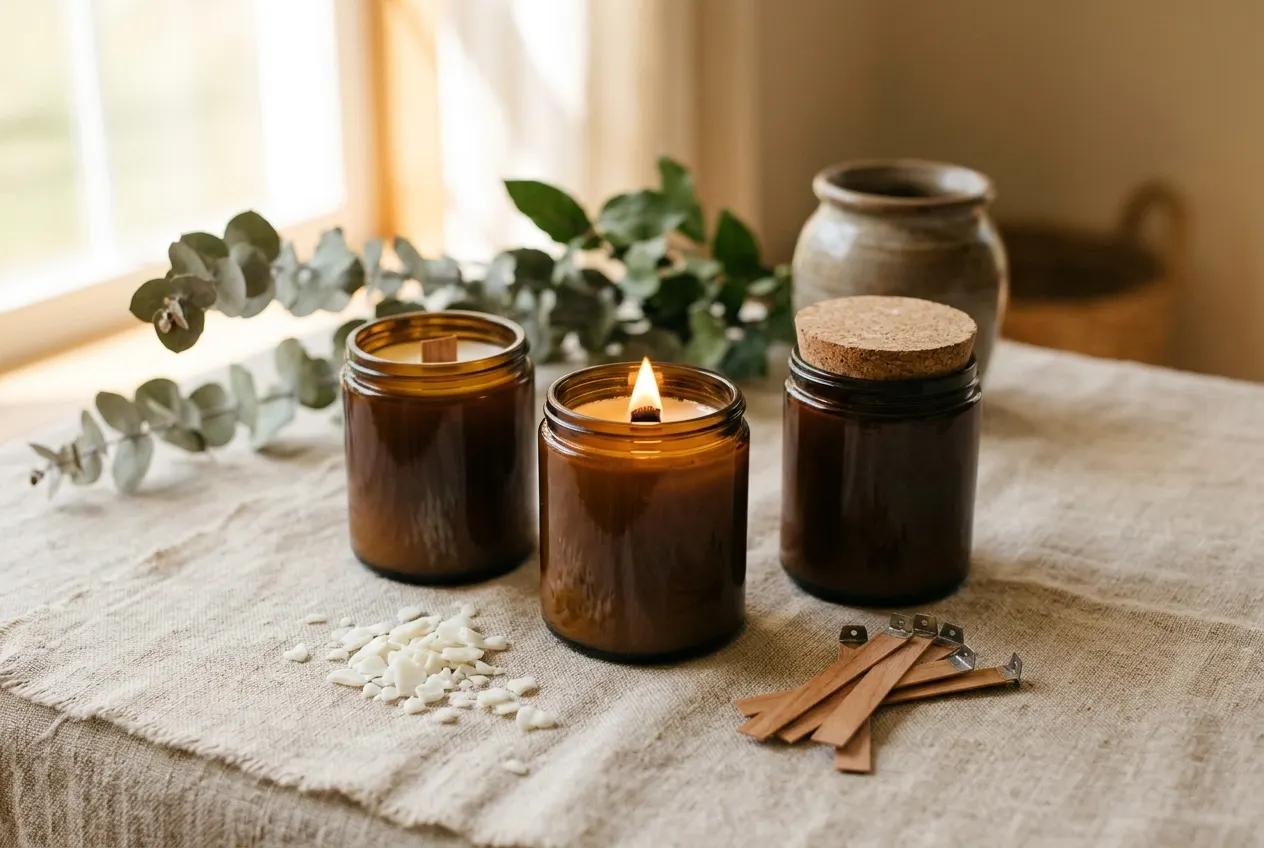
Candle business
A low-cost craft business you can test on a stovetop. The hard parts are safe burning and standing out, not the startup cost.
- Startup cost
- $330–$1,500
- Margin
- 73–78%
Under $1,000 · Home studio
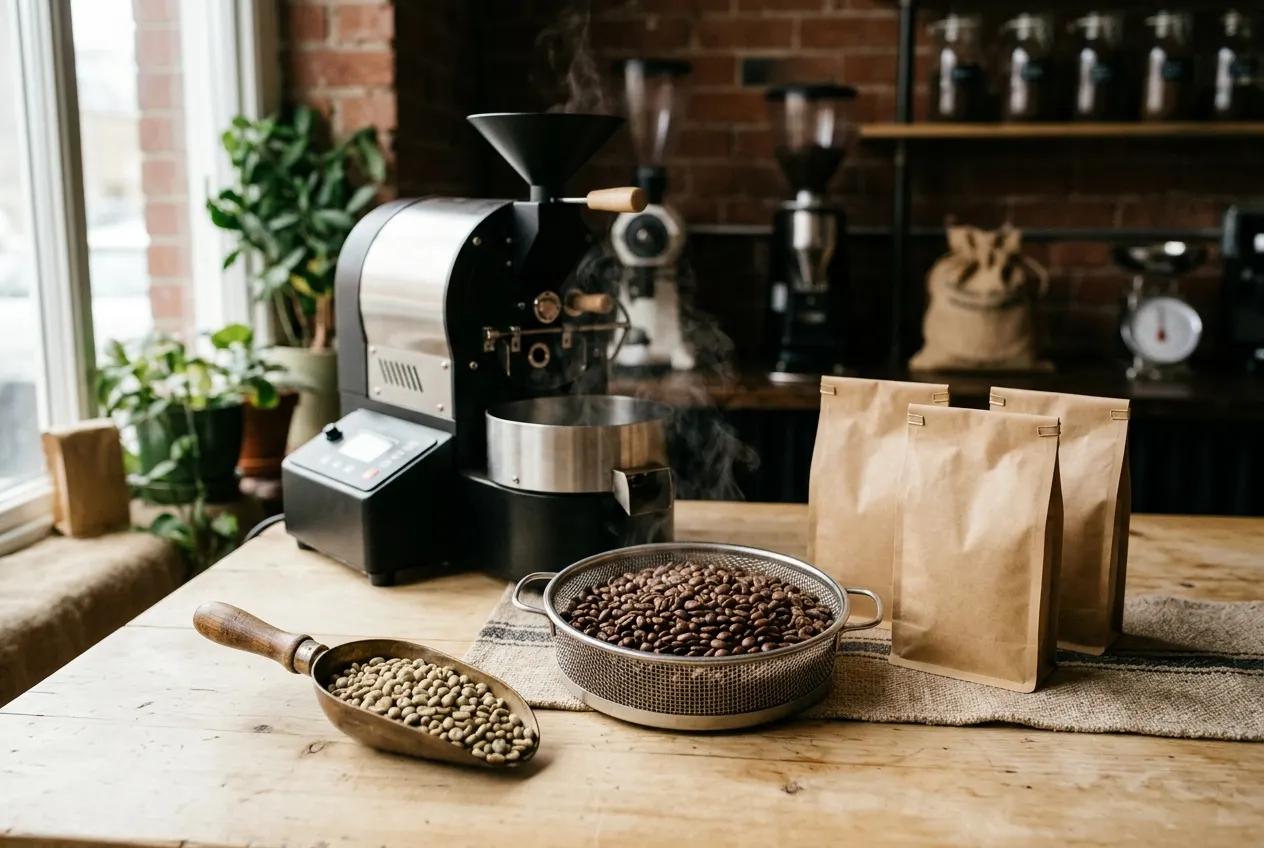
Coffee roastery
Small-batch roasting rewards taste and consistency. The roaster is the big purchase, and food rules decide where you can work.
- Startup cost
- $770–$4,600
- Margin
- 42–52%
$1,000 to $5,000 · Garage or shared kitchen
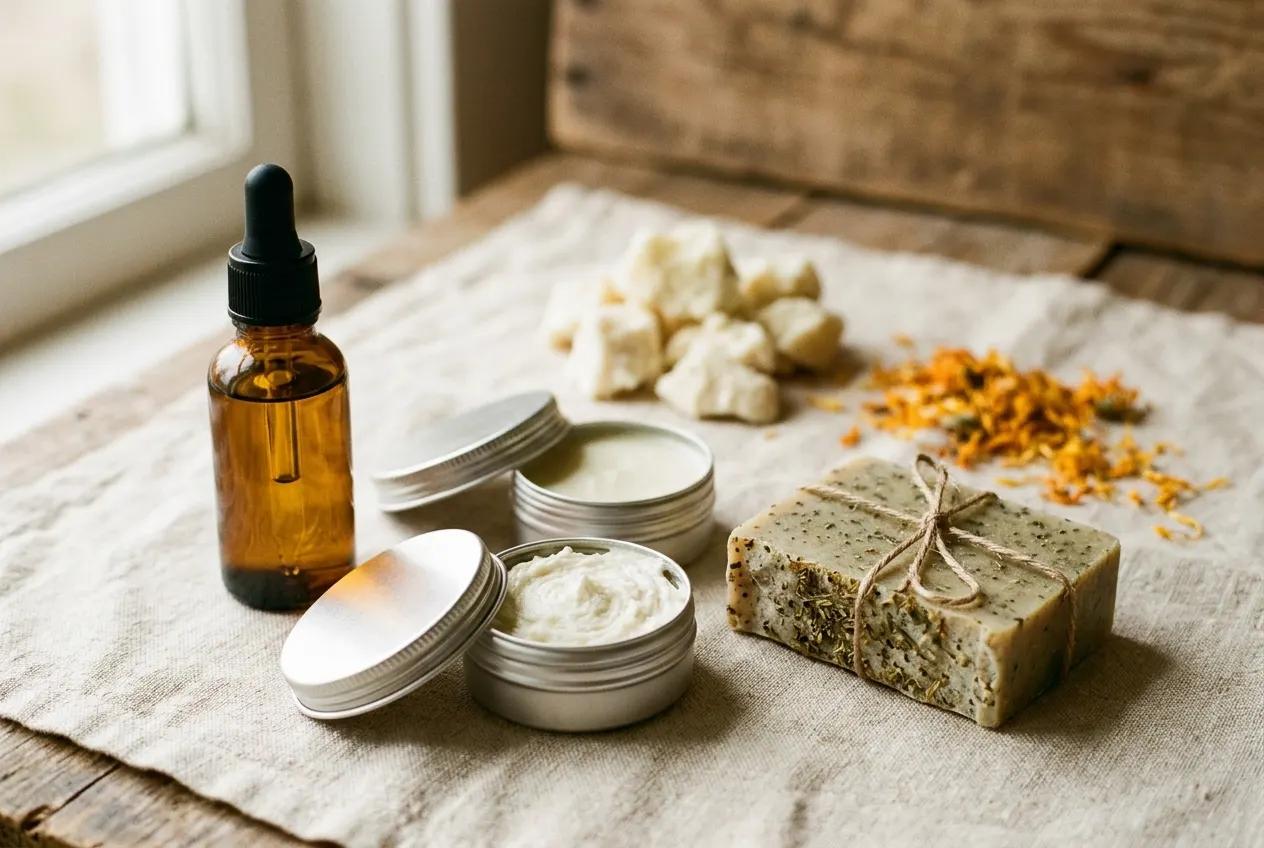
Skincare line
Balms, butters and soaps are cheap to make. What you say about them on the label decides how they are regulated.
- Startup cost
- $390–$970
- Margin
- 66–73%
Under $1,000 · Home studio
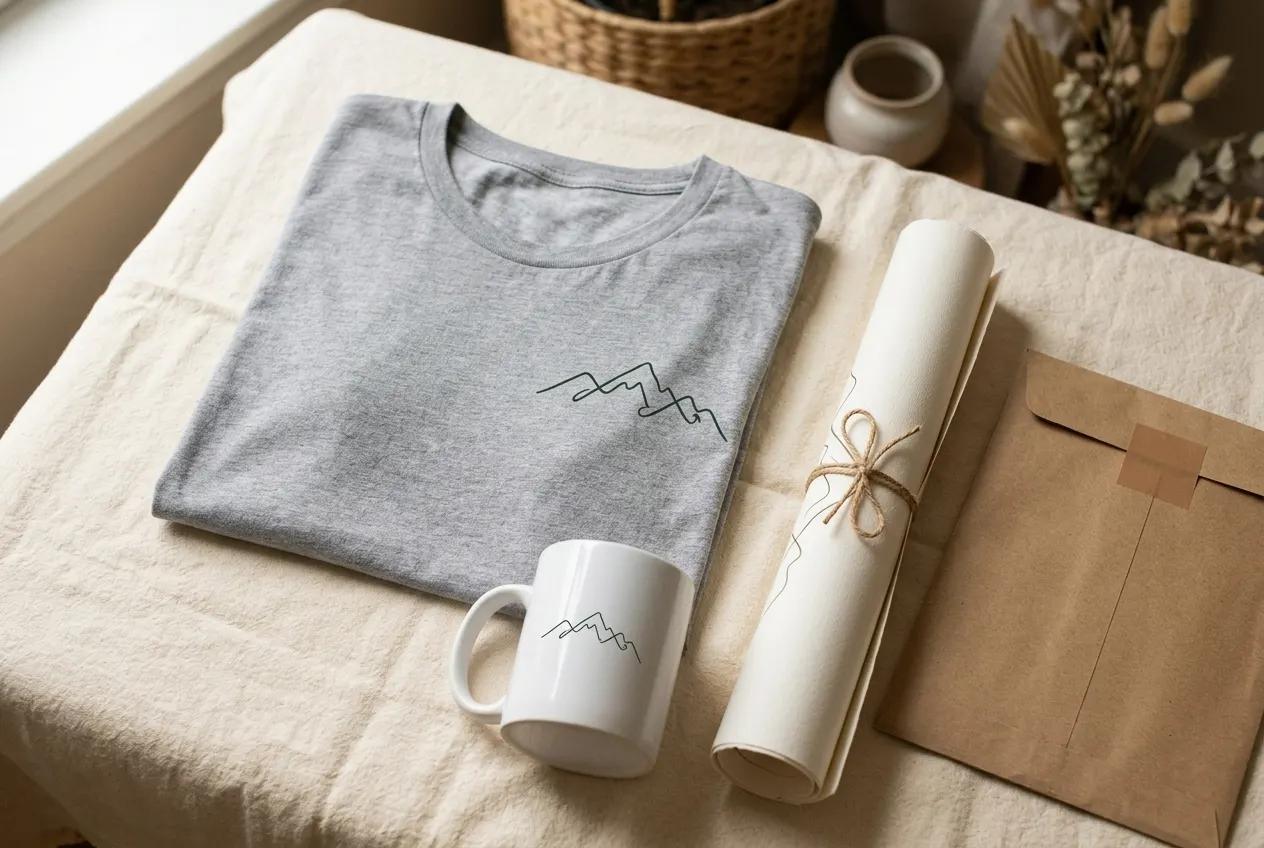
Print-on-demand shop
No inventory and no equipment. You sell designs; a partner prints and ships each order. That makes the margins thin and the designs everything.
- Startup cost
- $25–$370
- Margin
- 39–46%
Under $1,000 · Laptop
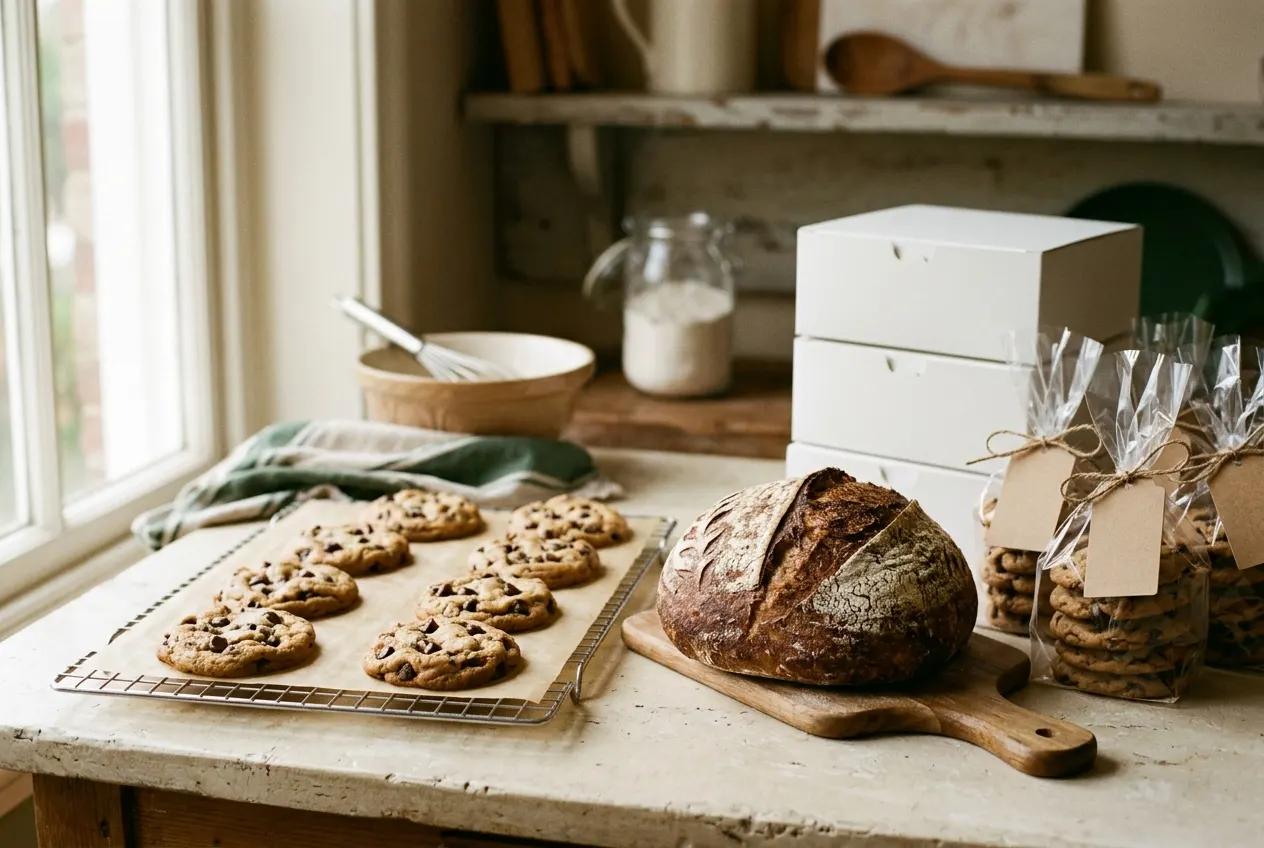
Home bakery
Cottage food laws let you sell baked goods from your own kitchen. Your state decides how much, to whom and how you deliver.
- Startup cost
- $430–$1,000
- Margin
- 76–83%
Under $1,000 · Home kitchen
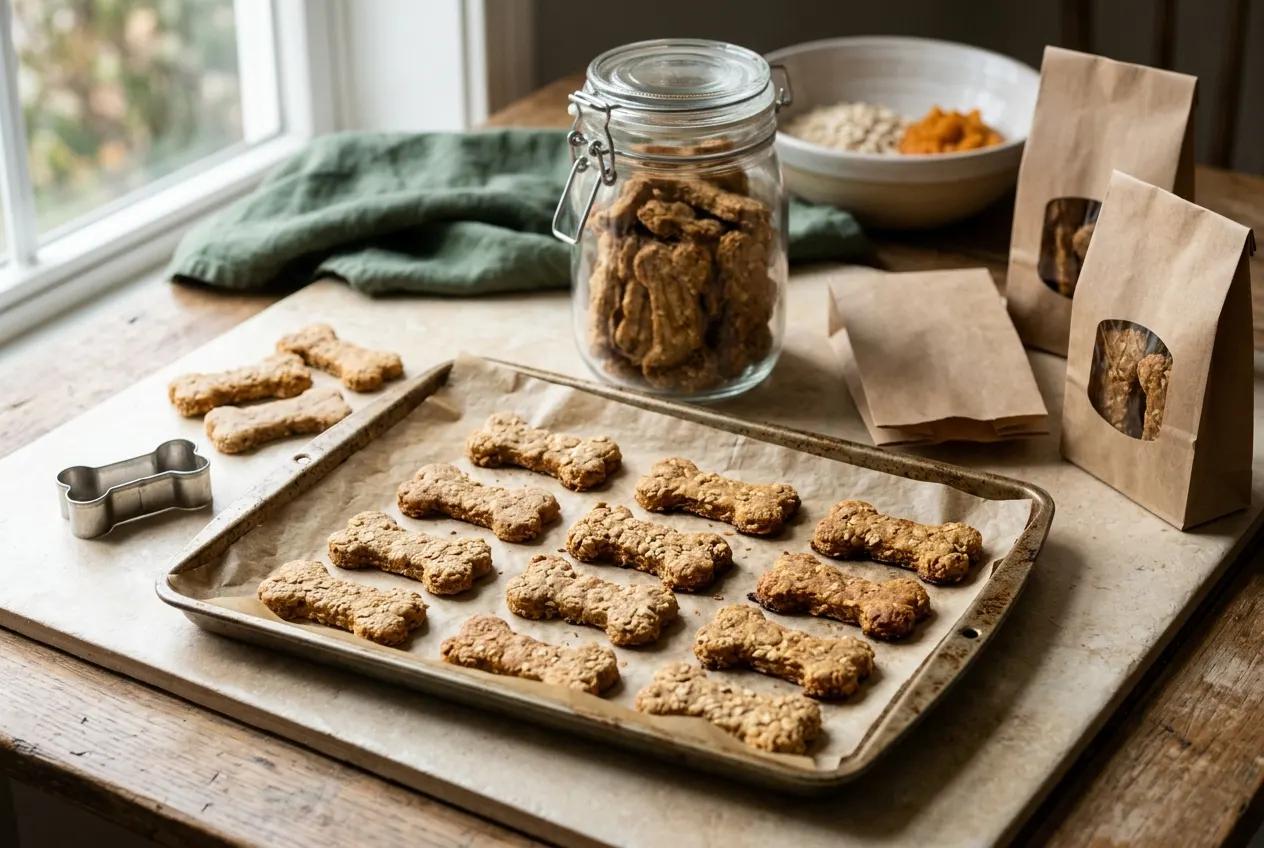
Dog treat business
Dog treats are cheap to bake and easy to love. They are also animal feed, which means a different rulebook from your cookies.
- Startup cost
- $430–$1,500
- Margin
- 87–90%
Under $1,000 · Home or rented kitchen
One fact card for every business
Every guide opens with the same card, so you can compare a candle studio with a coffee roaster at a glance.
Cost and margin
Estimates built from supplier prices we link, with the math shown below the card.
Profile bars
Six one-to-five scores: cost, skill, paperwork, shipping, competition and repeat buying.
Skills
The hands-on work you will do every week, drawn as icons.
Licenses to check
The permits that usually apply. Your state and city have the final word.
Candle business
Home studio · Difficulty 2 of 5
Profile
Skills you will use
- Pouring
- Temp control
- Burn testing
- Product photos
- Packing
Licenses to check
- General business license or registration
- Fire-safety warning label (ASTM F2058)
- Sales tax permit
- Product liability insurance
Rules differ by state, county and city. Check your state and local rules before you sell.
How we got the cost range: The low end is the sourced first-batch list in the costs table: a starter kit plus wax, fragrance, wicks and jars for about 96 candles.12 The high end is our estimate once you add labels, a scale, state filing fees and insurance.
How we got the margin: Illustrative: an 8 oz soy candle with about $2.98 of materials, sold for $20 to $28 on Etsy, after Etsy's listing, transaction and payment fees.910 It leaves out shipping, labor and ads.
Business ideas by budget and skill
By startup budget
How do you start a business from scratch?
You would be in large company. The SBA's Office of Advocacy counts 36,207,130 small businesses in the United States, and says 99.9% of all US businesses are small. Read the SBA's 2026 figures.
1. Pick one product, not an industry
"Soy candles in 8 oz jars" is a business you can price. "Something with food" is not. Narrow ideas are easier to price, permit and explain.
2. Check the rules for that product
Food, cosmetics and pet treats each have their own regulators. A general business registration and sales tax permit cover the rest.
3. Price it from real costs
List every startup cost, as the SBA's startup cost guide suggests, then work out the cost of one unit before you set a price.
4. Register and get an EIN
Form an entity if you need one and get an EIN. The IRS never charges a fee for an EIN.
5. Sell in one channel first
Etsy, a market table or your own store. Learn what sells there before you add a second.
Guides we are researching now
Hot sauce brand
Mobile coffee cart
Houseplant shop
Sticker shop
Soap making business
Meal prep service
Starting a business: common questions
How do I start a business with no experience?
- Pick one small product you already make well, check the rules for it in your state, and sell a first batch to people outside your friends. A print-on-demand shop or a candle business can be tested for under a few hundred dollars.
What is the cheapest business to start?
- Of the six businesses we cover, print on demand is the cheapest. A sample tee, a sample mug and 20 Etsy listings cost about $24 at Printful and Etsy's current prices.
Do I need a business license to sell from home?
- Usually you need some form of registration, a sales tax permit and local approval for a home business. Food and pet food add their own permits. Check your state and local rules.
Where do your numbers come from?
- Costs and fees come from supplier and platform pricing pages, and rules come from government agencies. Each guide lists its sources and the date we checked them. Margins are illustrative math, labeled as such.
One new fact card, when it is ready
We email when a new business guide is published or a price we quote changes. No daily tips.